A themed magnetic set can support a storytelling activity when the school defines the story task, checks the actual components and plans storage and sharing. A theme name alone does not prove classroom fit.
Define the story task
Write the activity: build a setting, sequence a scene, retell a story or compare characters. State group size, session time, adult support and what students must show or explain.
Map the task to components
Request the exact piece list and photographs for the selected SKU. Castle, farm, space and city themes may suggest different story prompts, but the current sample decides what pupils can actually build.
Plan sharing and reset
Record how many pieces each group receives, where completed builds are photographed, how pieces are counted back and where the sets are stored. Do not infer class quantity from the headline piece count.
Review claims and documents
Keep the purchase description tied to the observable activity. Confirm age guidance, warnings and destination-market documents for the exact model before approval. The school procurement checklist covers the wider order. Request classroom samples.
Working sheet
School storytelling request: activity [ ] · group size [ ] · required components [ ] · exact SKU [ ] · sharing/reset plan [ ] · age/warning review [ ] · teacher sign-off [ ].
Catalog product references
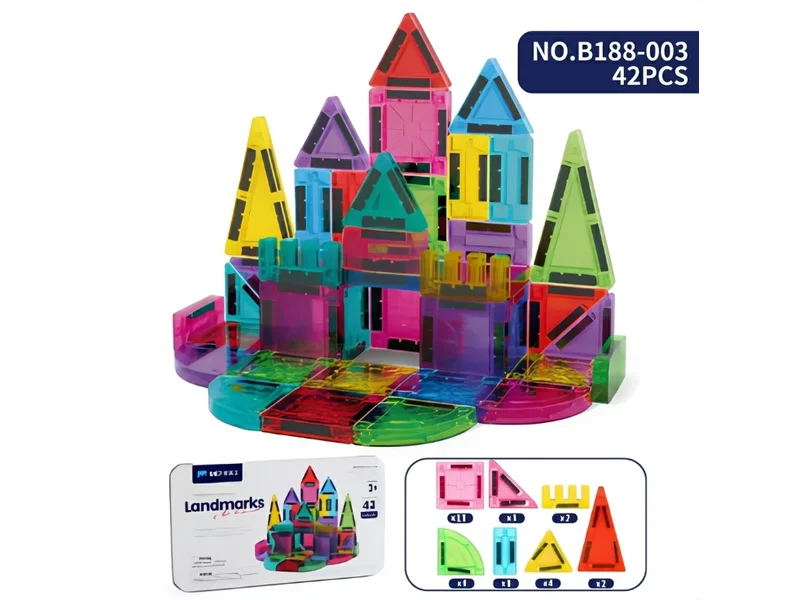
42PCS Castle Magnetic Blocks Set
MBP-013 · Confirm current contents and packing before ordering.
View product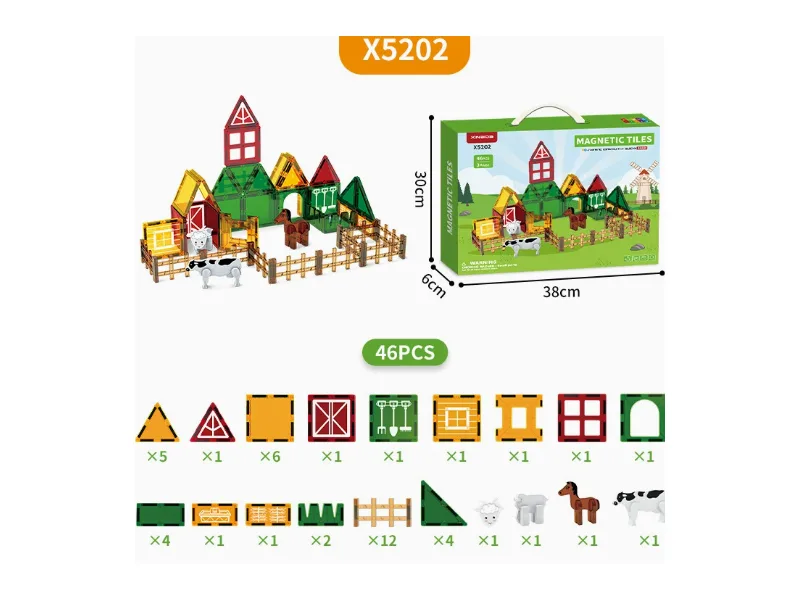
46PCS Farm Magnetic Tiles Set
MBP-016 · Confirm current contents and packing before ordering.
View product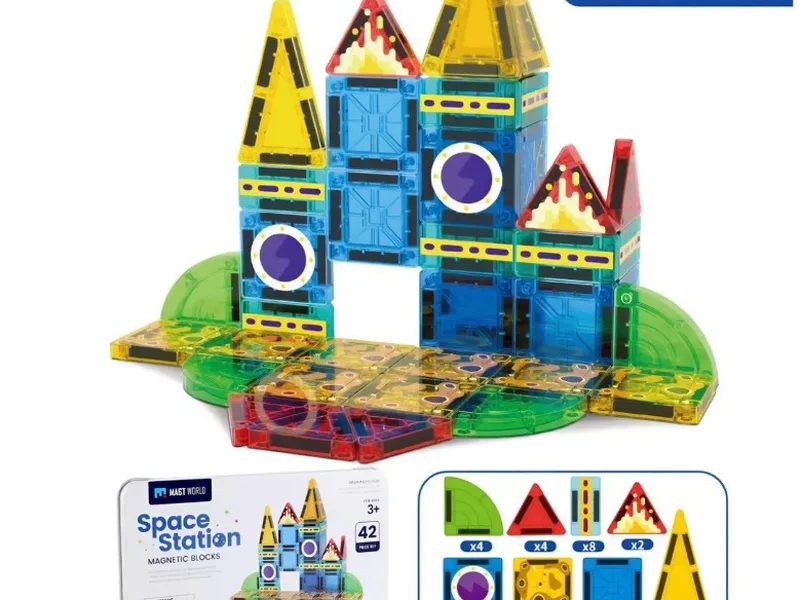
Magnetic Tiles Space Theme (42pcs)
MBP-015 · Confirm current contents and packing before ordering.
View productFAQ
Does a theme name prove storytelling value?
No. Define the activity and verify the components and sample.
Can one set serve every classroom group?
Determine quantity from group size, sharing and reset needs, not only the printed piece count.
Next step: Send the story activity and group plan with a request for current samples and model documents.