A demonstration card should help a shopper understand what the exact product does and what the box includes. It should support a decision without turning an unverified claim into a promise.
Name the exact product
Show the product name, SKU or model reference, piece count where verified, selling unit and a matching original image. A generic “magnetic tiles” headline can create confusion when several formats share a shelf.
Show an observable activity
Use one clear build or handling task that the supplied components can support. Describe what is shown, such as a flat pattern, a castle scene or a city build; avoid claiming a measured developmental result.
State what is included and pending
List confirmed components and packaging. Mark age wording, warnings, market documents or accessory details as “confirm for this model” when the source is not final.
Add a useful next step
Give the buyer a QR or URL to the exact product detail page or sourcing contact. Keep the card versioned so an artwork change does not silently change the product promise. Request a model-specific card review.
Working sheet
Demo-card check: exact SKU [ ] · matching image [ ] · activity shown [ ] · confirmed contents [ ] · pending claim [ ] · artwork revision [ ] · detail URL [ ] · reviewer [ ].
Catalog product references
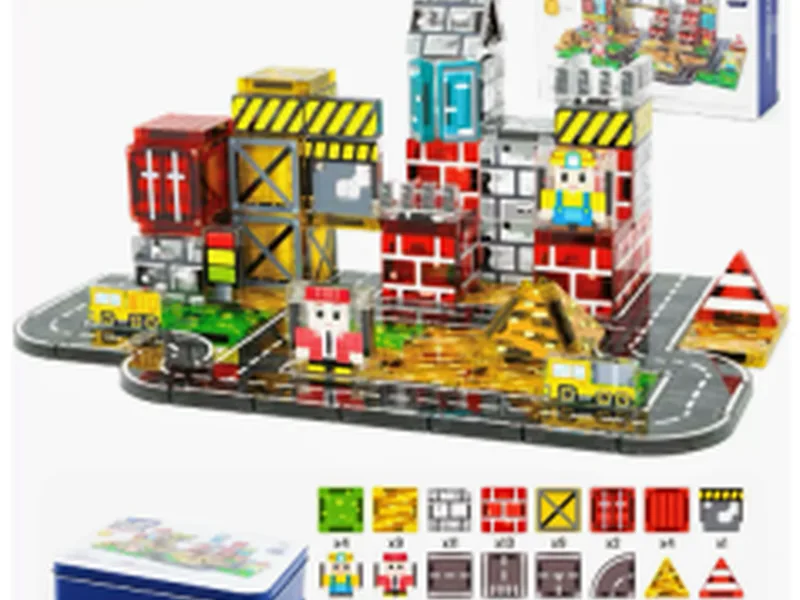
100PCS City Construction Magnetic Blocks Set
MBP-010 · Confirm current contents and packing before ordering.
View product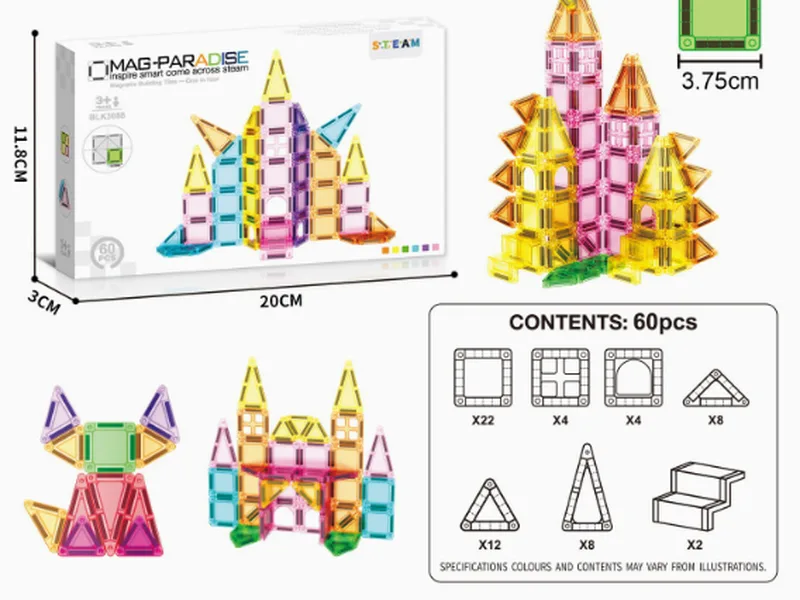
60PCS Magnetic Tiles STEAM Set
MBP-069 · Confirm current contents and packing before ordering.
View productFAQ
Can one demonstration card cover a whole theme range?
Only if the card clearly identifies each selling unit and the shown activity applies to each exact model.
Should a card promise educational outcomes?
Use observable activity language unless model-specific evidence supports a stronger claim.
Next step: Share the draft card and exact SKU list for a model-specific content check.