Learning centers should compare magnetic tile sets by activity role, group workflow, counted pieces, storage and reset burden—not by piece count or theme alone. Pilot a small rotation, record what instructors actually use and reorder only after the program fit is visible.
Give each set one program job
Write the activity brief before selecting a product. A geometric set can support open construction prompts. A city or farm scene can support a more directed storytelling brief. These are purchasing roles, not guaranteed learning outcomes. The instructor, session design and actual contents determine how the set is used.
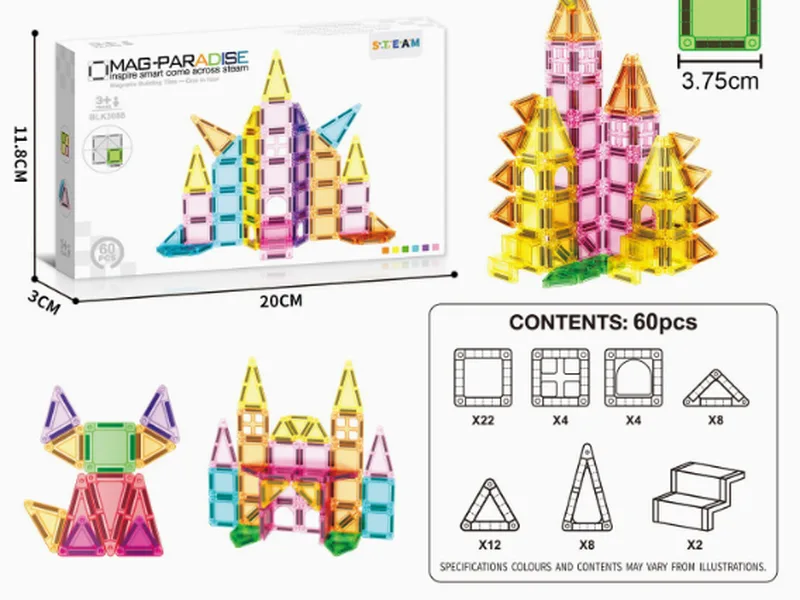
Mag Paradise - 60PCS Magnetic Tiles Set
MBP-007 · Geometric, colour-led reference for an open construction station; confirm the actual shape list.
View product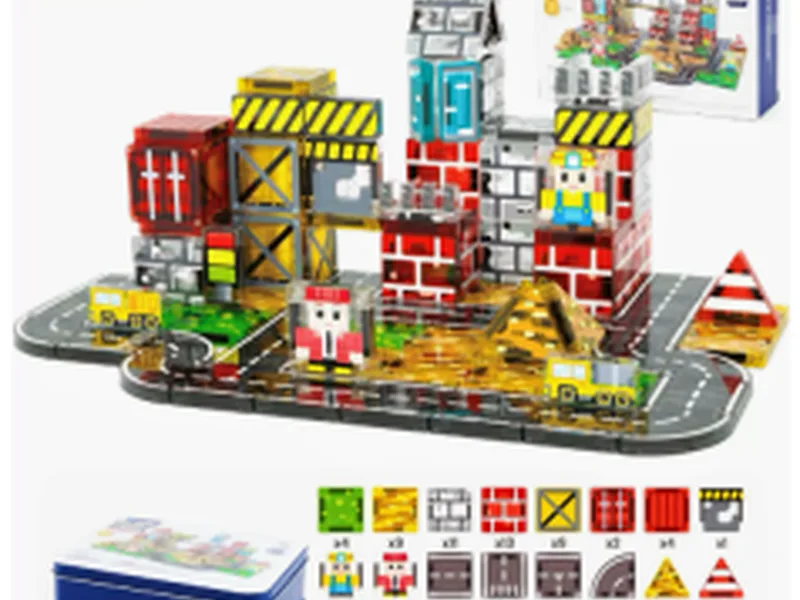
100PCS City Construction Magnetic Blocks Set
MBP-010 · City-scene reference for a directed planning or storytelling station; confirm supplied scene components.
View product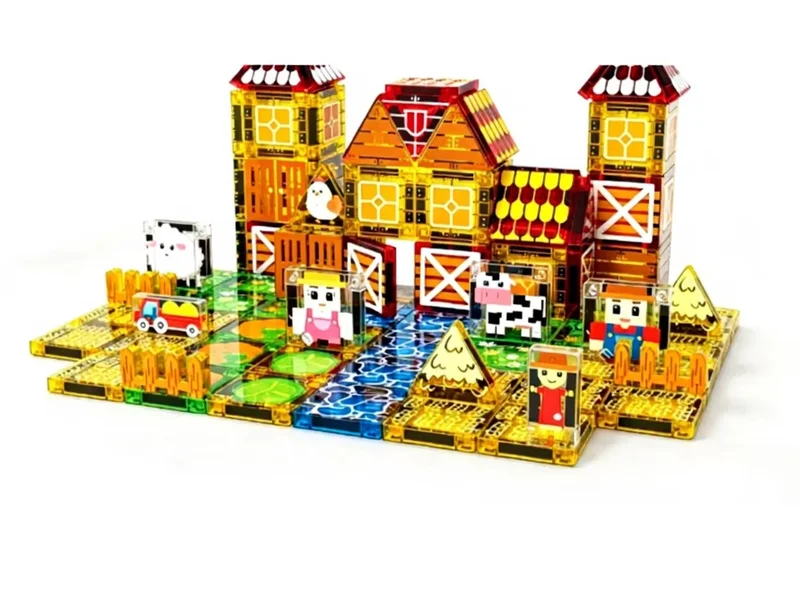
100PCS Farm Life Magnetic Blocks Set
MBP-011 · Farm-scene alternative for a distinct narrative brief; verify figures and accessories against the sample.
View productThese are three separate product references, not a confirmed education bundle. Names, SKU IDs, piece-count labels and images come from the current catalog. Age grading, current pack, carton data, availability, MOQ and document scope remain model-specific confirmation fields.
Compare what one group can actually do
| Field | Why it matters | Evidence to collect |
|---|---|---|
| Activity role | Prevents two sets from solving the same task | One written instructor brief per SKU |
| Usable contents | Front-of-box count may combine different component types | Counted tile, accessory and figure groups |
| Simultaneous group use | Determines whether children can complete the planned station | Pilot observation, not a generic pieces-per-child rule |
| Storage and reset | Affects staff time between sessions | Labelled bin, count sheet and observed reset time |
| Loss and replacement | Shows whether the activity remains workable over time | Missing/damaged piece log by SKU |
| Market and program review | Keeps product evidence aligned with intended use | Exact model, age information, warnings and applicable documents |
Design a rotation instead of buying every theme
A practical pilot might use one open-construction station and one scene-led station, then switch the scene after instructors have evidence. Do not call that a standard ratio; it is a test design. If city and farm produce the same program value, keep the clearer or easier-to-manage option rather than duplicating inventory.
Observe the handoff between sessions
Learning-center buying differs from a single classroom because materials may rotate across instructors, rooms or short sessions. Name the checkout owner, storage position and reset standard. Record opening count, missing or damaged pieces, cleaning status under the center's own procedure and the next scheduled use.
SKU/activity role: [ ]. Instructor/group: [ ]. Pieces issued/returned: [ ]. Prompt completed: [ ]. Sharing or access problem: [ ]. Reset minutes observed: [ ]. Missing/damaged items: [ ]. Instructor note: [ ]. Keep, reposition, rotate or stop: [ ].
Convert evidence into a reorder decision
- Reorder the same SKU when it still fits the activity and losses or demand justify replenishment.
- Add a second theme only when it supports a different written brief.
- Change the session design when the product is sound but the group workflow fails.
- Hold an order when contents, storage, age information or model-specific evidence remain unclear.
- Keep procurement evidence separate from marketing claims about learning outcomes.
FAQ
How many magnetic tile sets does a learning center need?
There is no universal quantity. Start from simultaneous group size, the activity plan, counted contents, storage and the center's own loss and rotation records.
Should a learning center choose only themed sets?
No. A geometric set and a themed set can support different activity briefs, but each should have a defined role rather than being purchased for variety alone.
Do product names prove learning outcomes?
No. Buyers should evaluate the planned activity and required evidence without treating a product name or catalog claim as proof of an outcome.
Review the current product catalog for candidate SKU references and the daycare storage and reordering guide for shared-set controls. Send your group workflow and candidate SKU IDs to MagBlockPro.