Describe what learners do and can show: copy a model, rotate a shape, plan a structure or explain a design choice. Keep the activity observable and avoid promising a guaranteed developmental outcome.
Start with an observable task
Write the action, materials, group size and time. A group can build a city scene, compare shapes or explain why a structure needs a wider base.
State the evidence boundary
Use activity language such as “can support” only when describing an opportunity. Do not convert a product description into a measured result or clinical benefit.
Match the activity to the set
Request the exact piece list and images for the SKU. Name what is available, how pieces are shared and how the teacher will reset materials.
Verified classroom references
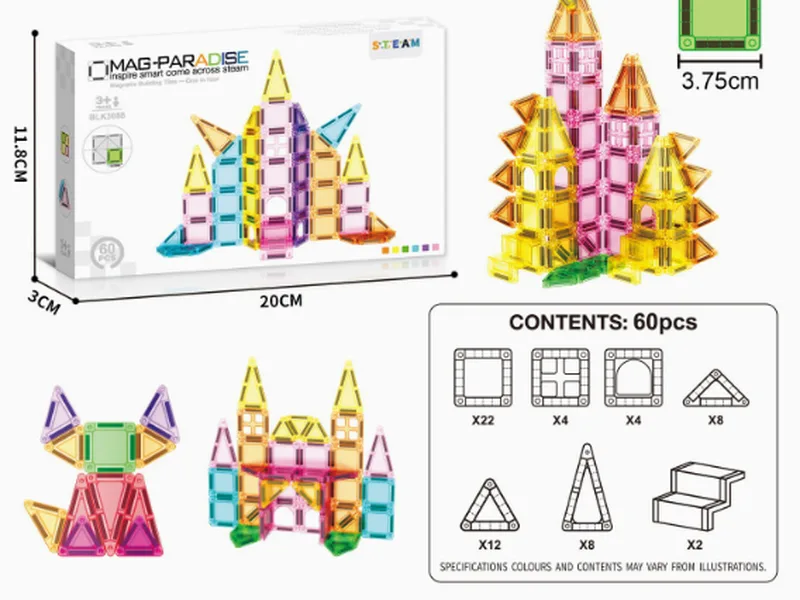
60PCS Magnetic Tiles STEAM Set
Confirm current SKU contents and evidence before publishing.
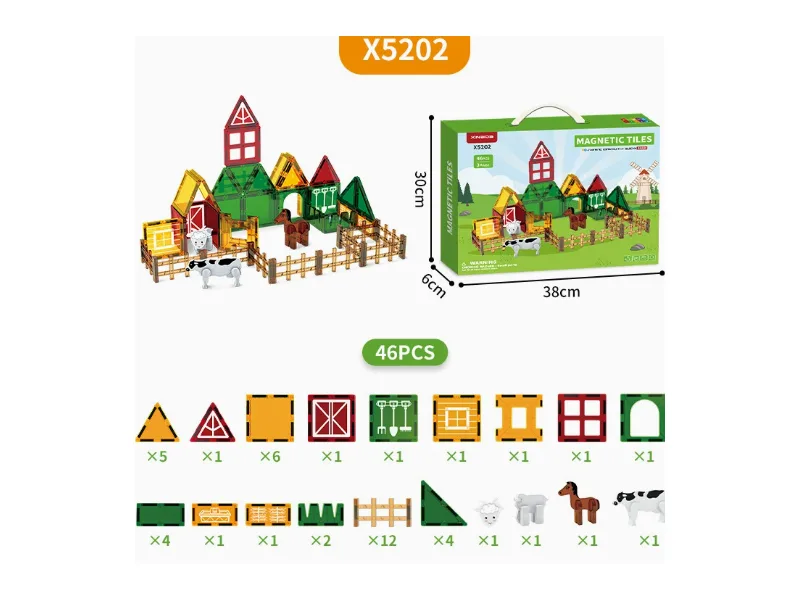
46PCS Farm Magnetic Tiles Set
Confirm current SKU contents and evidence before publishing.
Working sheet
Observable action [ ] · exact SKU [ ] · pieces shared [ ] · teacher prompt [ ] · learner evidence [ ] · reset plan [ ] · claim review [ ].
Next step: Send the activity objective and group plan with the candidate SKU.
FAQ
Can a product page promise improved spatial reasoning?
Keep wording tied to an activity opportunity unless suitable evidence supports more.
What should a buyer ask before approving an activity?
Ask what learners do, which pieces are included, how groups share them and how success is observed.